Newsletter Subscribe
Enter your email address below and subscribe to our newsletter

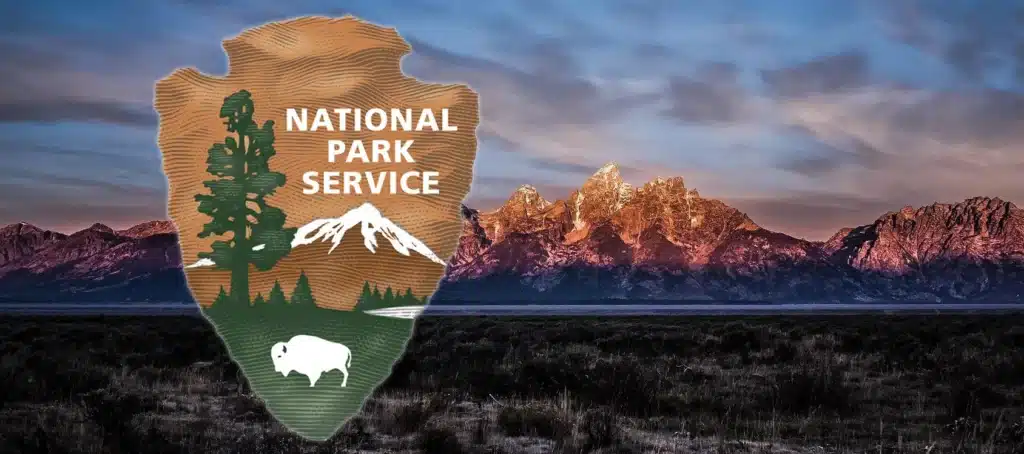
If you live in Jackson Hole, the National Park Service is not some faraway federal acronym. It is the traffic on Highway 22. It is seasonal staffing. It is whether campgrounds open on time. It is how Yellowstone and Grand Teton handle record crowds without turning every pullout into a parking lot.
This week, the White House nominated Scott Socha, a long-time hospitality executive at Delaware North, to serve as Director of the National Park Service.
Delaware North is not a small player in the parks world. The company holds major concession contracts in several national parks, including Yellowstone, where it provides lodging, dining, and retail services.
Socha’s nomination heads to the Senate for confirmation.
Socha is currently the president of parks and resorts at Delaware North, and has spent decades in private-sector hospitality and operations.
Supporters argue that his background is exactly what the Park Service needs. Someone who understands the visitor-experience machinery that actually runs day-to-day in many parks (lodging, dining, transportation, and customer flow).
Critics counter that the job is not to run a resort, but to lead a conservation and public-service agency with a preservation mission, and they question whether a concessions executive is the right fit.
The White House has framed Socha as “highly qualified,” and aligned with an agenda that includes:
In plain terms, the pro-Socha argument is that parks are overwhelmed, systems are strained, and an operations-minded leader might improve execution: Smoother visitor services, better coordination with concession operations, and more outside dollars for projects Congress does not fund.
Opponents focus on two big concerns:
Because Delaware North holds major NPS concessions contracts, critics say the optics and ethics are unavoidable: the Park Service director influences a system where the nominee’s company makes money.
Delaware North was at the center of the high-profile Yosemite trademarks dispute years ago, a legal fight that led to temporary renaming of iconic properties. The dispute ended with a settlement in 2019.
That episode is frequently cited by critics as a cautionary tale about commercialization and branding pressure inside parks.
Even outside the nomination itself, the National Park Service is dealing with major internal strain.
The National Parks Conservation Association (NPCA) says the agency has lost nearly 25% of its permanent staff since January 2025, which it describes as more than 4,000 positions and significant institutional knowledge.
NPCA also points to controversy over directions to remove or alter certain exhibits touching on slavery, Indigenous history, and climate science.
NPCA’s message is essentially that the next director needs to stabilize the agency first, whatever their background.
This is where it stops being a D.C. chess match and becomes a local issue.
Yellowstone’s lodging and dining ecosystem is deeply tied to concession operations, and Delaware North is one of the biggest players. A director with concessions experience could push for smoother operations and customer flow. Critics worry that “smoother operations” becomes “more commercialization.”
Hiring, retention, and field capacity directly affect trail maintenance, ranger presence, visitor education, and response times. If NPCA’s staffing-loss estimates are close to reality, this becomes the single biggest operational story for peak season in the Greater Yellowstone region.
How parks tell the story of the place matters here, especially given Yellowstone and Grand Teton’s visibility and the region’s complex history. NPCA is explicitly urging the next director to “halt attacks” on history and science and to put the agency mission first.
Socha’s nomination now goes through the Senate confirmation process.
Key items to watch:
AntlersArch founder and the voice behind Teton Tattle.